

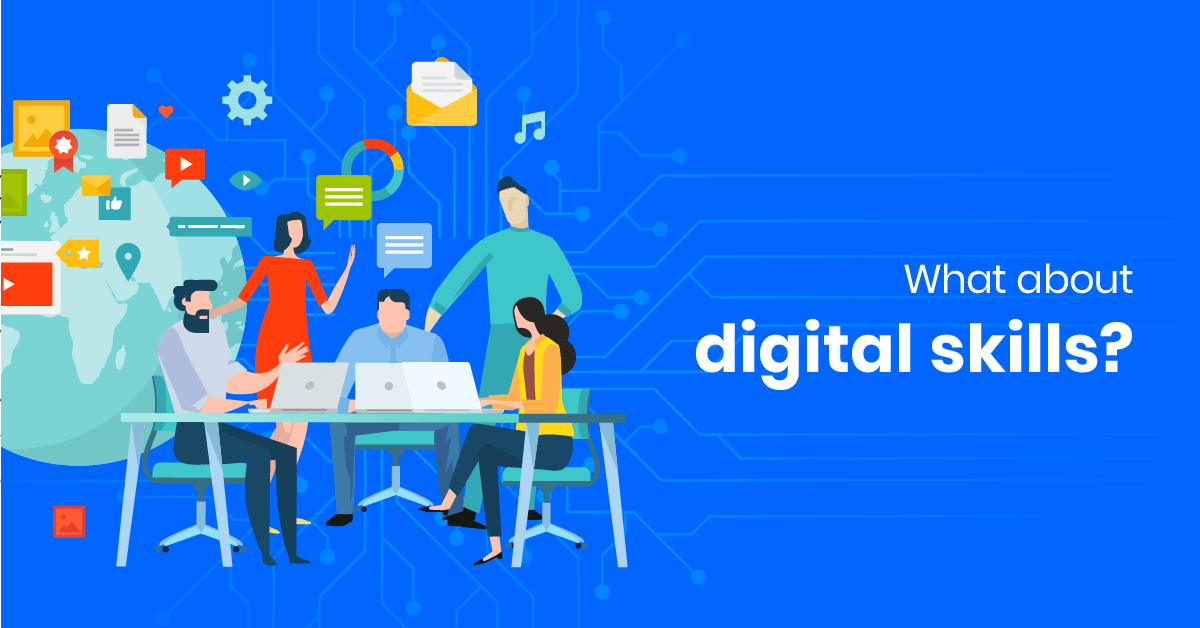
Introduction
Digital and online skills have become essential competencies in today’s technology driven world. As businesses, education systems, and workplaces rapidly transition toward digital platforms, individuals must develop the ability to work, communicate, create, and manage tasks online. From basic computer literacy to advanced digital marketing, data analytics, and remote collaboration, digital skills now define employability and career growth.
The rise of e commerce, remote work, online education, artificial intelligence, and cloud computing has created an economy where digital proficiency is no longer optional — it is mandatory. Employers seek professionals who can operate digital tools, analyze data, manage online platforms, and contribute to virtual business ecosystems.
Whether you are a student, job seeker, entrepreneur, freelancer, or working professional, building digital and online skills can unlock global opportunities, remote income streams, and long term career sustainability.
This comprehensive guide explores the importance of digital skills, core skill categories, learning pathways, career opportunities, challenges, and future digital workforce trends.
Understanding Digital & Online Skills
Digital skills refer to the ability to use computers, software, internet platforms, and digital technologies effectively.
Online skills involve performing tasks, communication, and business activities through web based platforms.
Together, they enable participation in the modern digital economy.
Importance of Digital Skills in Modern Careers
Support remote work opportunities.
Enable global collaboration.
Increase productivity through automation tools.
Enhance employability across industries.
Drive entrepreneurship and freelancing.
Digital literacy is foundational to career success.
Levels of Digital Skills
Basic digital literacy.
Intermediate operational skills.
Advanced technical digital expertise.
Each level supports different career paths.
Basic Digital Literacy Skills
Computer operation fundamentals.
Internet browsing.
Email communication.
File management.
Basic office software usage.
Digital literacy is the starting point for all careers.
Office Productivity Tools
Word processing software.
Spreadsheets and data management.
Presentation design tools.
Document collaboration platforms.
Office tools power workplace productivity.
Internet & Research Skills
Online information search.
Evaluating credible sources.
Digital research methodologies.
Research skills support academic and professional work.
Online Communication Skills
Email etiquette.
Video conferencing.
Instant messaging platforms.
Virtual meeting collaboration.
Online communication drives remote teamwork.
Social Media & Digital Presence Skills
Profile management.
Content sharing.
Audience engagement.
Personal branding.
Social platforms influence professional visibility.
Digital Marketing Skills
Search engine optimization (SEO).
Social media marketing.
Email marketing.
Content marketing.
Pay per click advertising.
Digital marketing drives online business growth.
Content Creation & Multimedia Skills
Graphic design.
Video editing.
Podcast production.
Blog writing.
Creative digital content powers media industries.
E Commerce & Online Business Skills
Online store management.
Product listing optimization.
Digital payments management.
Customer engagement.
E commerce skills support entrepreneurship.
Data Analytics & Visualization Skills
Data interpretation.
Dashboard creation.
Visualization tools.
Business intelligence reporting.
Data skills drive strategic decisions.
Cloud Computing & Online Collaboration
Cloud storage systems.
Virtual collaboration tools.
Remote file sharing.
Cloud skills enable distributed workforces.
Cybersecurity & Digital Safety Skills
Password management.
Data privacy awareness.
Threat identification.
Secure online practices.
Cyber awareness protects digital assets.
Freelancing & Online Income Skills
Platform profile creation.
Client communication.
Proposal writing.
Project delivery systems.
Freelancing expands income streams.
Remote Work Digital Skills
Virtual collaboration.
Time tracking tools.
Task management platforms.
Remote productivity systems.
Remote skills support global employment.
Digital Skills for Students
Online research and learning.
Presentation design.
Coding and digital creativity.
Students gain early career advantage.
Digital Skills for Job Seekers
Online job applications.
Digital resume creation.
Portfolio building.
Professional networking.
Digital readiness improves hiring success.
Digital Skills for Entrepreneurs
Website management.
Online marketing.
Customer analytics.
Automation tools.
Digital expertise drives business scalability.
Digital Skills for Working Professionals
Automation tools improve productivity.
Data reporting enhances performance.
Digital collaboration supports teamwork.
Continuous learning sustains relevance.
Learning Pathways for Digital Skills
Online courses.
Certification programs.
Bootcamps.
Self learning tutorials.
Hands on projects.
Multiple learning methods accelerate growth.
Certifications in Digital Skills
Validate expertise.
Enhance resumes.
Improve hiring prospects.
Support career advancement.
Certifications build credibility.
Benefits of Digital Skills Development
Global job access.
Remote income opportunities.
Entrepreneurship enablement.
Career flexibility.
Future ready employability.
Digital skills unlock opportunities.
Challenges in Digital Skills Learning
Rapid technology evolution.
Information overload.
Tool complexity.
Time constraints.
Structured learning overcomes challenges.
Overcoming Digital Learning Barriers
Set learning goals.
Practice through projects.
Join digital communities.
Seek mentorship guidance.
Consistent effort ensures mastery.
Future Digital Skills in Demand
Artificial intelligence tools.
Blockchain platforms.
Augmented reality systems.
Automation software.
Advanced analytics.
Future skills drive digital careers.
Digital Transformation Across Industries
Healthcare digitization.
Online education systems.
Smart manufacturing.
Fintech innovation.
Every sector requires digital talent.
Role of AI in Digital Skills Evolution
AI automates routine tasks.
Enhances analytics.
Improves marketing targeting.
Professionals must learn AI integration.
Building a Digital Skills Roadmap
Start with digital literacy.
Learn productivity tools.
Specialize in digital domains.
Earn certifications.
Build portfolios.
Structured roadmaps guide growth.
Digital Portfolio & Personal Branding
Online portfolios showcase work.
Personal websites enhance credibility.
Digital branding attracts opportunities.
Lifelong Learning in Digital Careers
Technology evolves rapidly.
Continuous upskilling is essential.
Lifelong learning ensures employability.
Conclusion
Digital and online skills have become the backbone of modern career development. As industries embrace digital transformation, professionals must develop the competencies required to operate, innovate, and thrive in technology enabled environments.
From basic computer literacy to advanced digital marketing, analytics, and cloud collaboration, digital skills empower individuals to access global opportunities, remote careers, and entrepreneurial ventures. Continuous learning, certification, and practical application ensure long term relevance in the digital workforce.
In an increasingly connected world, digital proficiency is not just an advantage — it is a necessity. By investing in digital and online skills development, individuals position themselves for sustainable growth, career flexibility, and success in the future of work.