

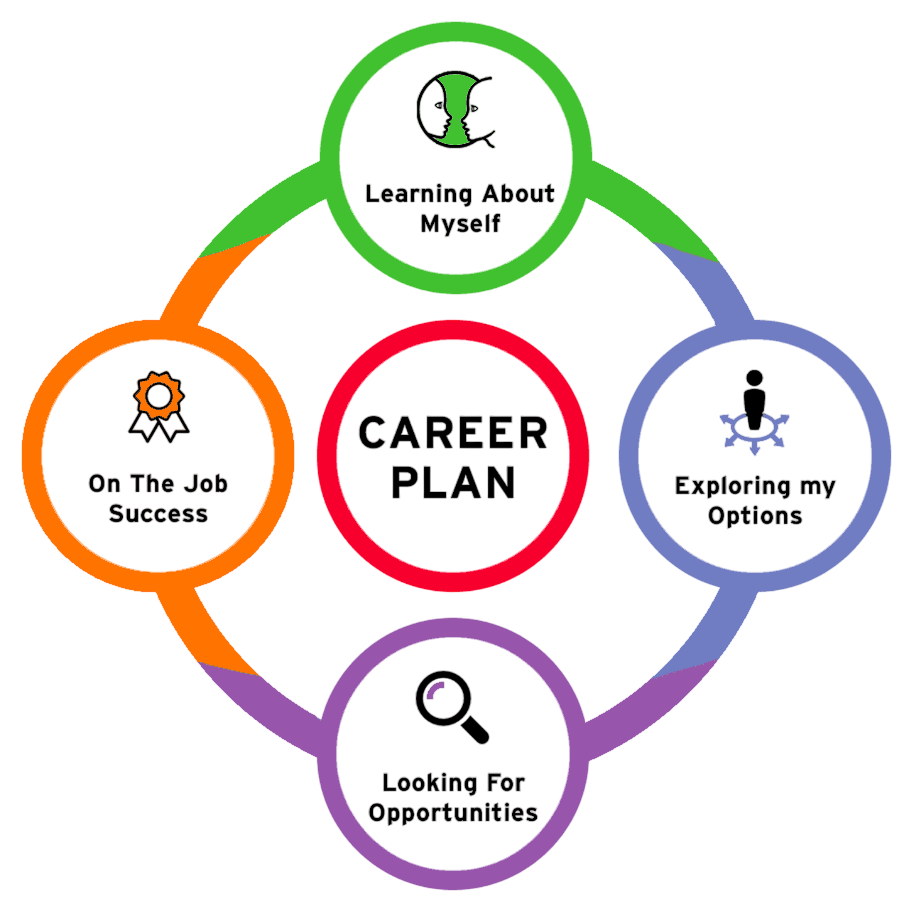
Introduction
Career planning is one of the most important processes in professional life. It is the structured approach individuals use to identify career goals, assess their skills and interests, and create actionable steps to achieve long term success. In a world driven by rapid technological advancement, global competition, and evolving job markets, career planning is no longer optional — it is essential.
Many people drift into jobs without planning and later face dissatisfaction, stagnation, or career uncertainty. Proper career planning helps individuals make informed decisions, avoid wrong career paths, and achieve both professional growth and personal fulfillment.
This comprehensive guide explores career planning in depth, including its importance, stages, strategies, tools, challenges, and long term impact on career development.
What Is Career Planning
Career planning is a lifelong process of identifying professional goals and designing strategies to achieve them. It involves self assessment, career exploration, skill development, goal setting, and continuous evaluation.
Career planning aligns personal interests, strengths, and values with professional opportunities. It ensures that career decisions are intentional rather than accidental.
Effective career planning answers key questions such as:
What career suits my strengths
What skills do I need
Where do I see myself in ten years
How can I achieve financial and professional stability
Importance of Career Planning
Career planning provides direction and clarity. It helps individuals focus their efforts on relevant opportunities rather than random job choices.
It improves decision making by evaluating long term career impact before accepting roles or switching industries.
Career planning also enhances motivation. When individuals see a clear roadmap, they stay committed to growth.
Financial stability is another major benefit. Planned careers often lead to higher salaries, leadership roles, and long term security.
Additionally, career planning reduces stress and uncertainty by preparing individuals for market changes and industry disruptions.
Objectives of Career Planning
The primary objective of career planning is to align personal potential with professional opportunities.
It aims to maximize individual strengths while minimizing weaknesses.
Career planning also focuses on skill acquisition, leadership readiness, and continuous employability.
Another objective is achieving work life balance by selecting careers aligned with personal values and lifestyle preferences.
Ultimately, career planning ensures sustained growth rather than temporary success.
Stages of Career Planning
Career planning progresses through structured stages that evolve throughout life.
Self Assessment Stage
This is the foundation of career planning. Individuals evaluate their interests, personality traits, skills, values, and passions.
Self assessment tools include personality tests, aptitude tests, SWOT analysis, and career counseling sessions.
Understanding oneself prevents choosing unsuitable careers.
Career Exploration Stage
After self assessment, individuals explore industries and job roles matching their profiles.
They research job responsibilities, growth opportunities, salary potential, and educational requirements.
Internships and informational interviews provide real world insights.
Skill Development Stage
Once career paths are identified, individuals focus on acquiring necessary competencies.
This includes formal education, certifications, technical training, and soft skill development.
Skill building bridges the gap between academic knowledge and industry expectations.
Career Entry Stage
This stage involves securing the first job or professional role.
Individuals apply for positions, attend interviews, and begin gaining practical experience.
Entry level roles build foundational industry exposure.
Career Growth and Advancement Stage
Professionals seek promotions, leadership roles, or specialization.
They pursue advanced certifications, management training, and strategic responsibilities.
This stage defines long term career trajectory.
Key Elements of Career Planning
Career planning consists of several interconnected components.
Goal setting defines short term and long term aspirations.
Skill analysis identifies competencies required for target roles.
Education planning determines degrees and certifications needed.
Networking builds industry relationships.
Performance tracking measures growth progress.
Each element contributes to structured career development.
Setting Career Goals
Goal setting transforms dreams into actionable plans.
Short term goals may include completing certifications or securing internships.
Mid term goals involve promotions or salary growth.
Long term goals focus on leadership roles, entrepreneurship, or industry recognition.
Using SMART goal frameworks ensures clarity and measurability.
Role of Education in Career Planning
Education forms the backbone of professional careers.
Academic degrees provide theoretical foundations, while certifications deliver practical expertise.
Continuous learning ensures professionals remain competitive in evolving industries.
Online education platforms have made career aligned learning more accessible than ever.
Importance of Skill Development
Skill development is central to career planning.
Technical skills ensure job competency.
Soft skills enable teamwork, leadership, and communication.
Digital skills enhance adaptability in technology driven workplaces.
Professionals who continuously upgrade skills remain employable despite industry changes.
Career Planning for Students
Early career planning provides significant advantages.
Students who identify career paths early can select relevant subjects, internships, and certifications.
They graduate with clearer direction and stronger employability.
Career counseling, aptitude testing, and mentorship help students make informed decisions.
Career Planning for Fresh Graduates
Freshers must focus on skill building, internships, and networking.
Entry level jobs should be evaluated based on learning opportunities rather than salary alone.
Early career choices shape long term professional direction.
Mid Career Planning
Mid career professionals often reassess goals.
They may pursue leadership roles, industry specialization, or career transitions.
Upskilling becomes critical at this stage to remain competitive.
Executive education programs support managerial growth.
Career Change Planning
Career transitions require strategic planning.
Professionals must analyze transferable skills, identify training needs, and gain relevant experience.
Freelancing, certifications, and networking ease career shifts.
Clear storytelling during interviews helps justify transitions.
Role of Mentorship in Career Planning
Mentors provide industry insights, career advice, and professional guidance.
They help individuals avoid common mistakes and accelerate growth.
Mentorship enhances confidence and strategic decision making.
Networking in Career Planning
Networking expands career opportunities.
Professional connections provide referrals, partnerships, and mentorship.
Industry events, alumni groups, and online communities facilitate relationship building.
Strong networks often lead to faster career progression.
Career Planning Tools and Assessments
Several tools support structured planning.
Career aptitude tests identify suitable professions.
Personality assessments evaluate behavioral compatibility.
Skill gap analyses highlight training needs.
Career roadmaps provide step by step growth frameworks.
Using these tools improves decision accuracy.
Role of Technology in Career Planning
Technology has transformed career planning processes.
AI driven career guidance platforms suggest roles based on skills and interests.
Online learning platforms provide instant skill development.
Professional networking sites connect talent globally.
Digital portfolios showcase expertise.
Technology has made career planning more data driven and accessible.
Challenges in Career Planning
Many individuals face obstacles while planning careers.
Lack of clarity about interests is common.
Financial constraints limit education opportunities.
Rapid industry changes make planning difficult.
Fear of failure prevents risk taking.
Limited mentorship restricts guidance.
Recognizing challenges is the first step toward overcoming them.
Overcoming Career Planning Challenges
Self reflection improves clarity.
Scholarships and online learning reduce financial barriers.
Continuous research keeps professionals up
Career Planning and Work Life Balance
Career success must align with personal well being.
Choosing roles that match lifestyle preferences prevents burnout.
Flexible careers, remote work, and supportive cultures improve balance.
Sustainable careers integrate professional growth with personal happiness.
Organizational Role in Career Planning
Employers also influence career development.
Organizations provide training programs, promotion pathways, leadership workshops, and mentorship initiatives.
Companies investing in employee growth achieve higher retention and productivity.
Collaborative career planning benefits both individuals and employers.
Future Trends in Career Planning
Career planning is evolving alongside technology and workforce trends.
Skill based hiring is replacing degree centric recruitment.
Gig economy careers are rising.
Remote work is expanding global opportunities.
AI is automating routine jobs.
Lifelong learning is becoming mandatory.
Future careers will demand adaptability and continuous reinvention.
Building a Personal Career Plan
Creating a personal career roadmap involves structured steps.
Conduct self assessment to identify strengths and passions.
Research industries aligned with interests.
Define career goals across timelines.
Identify required skills and education.
Create learning schedules.
Build professional networks.
Track progress regularly.
Adjust plans based on market changes.
A written career plan increases accountability and focus.
Measuring Career Planning Success
Career planning effectiveness can be measured through growth indicators.
Promotion frequency reflects advancement.
Salary growth indicates market value.
Leadership responsibilities signal trust.
Job satisfaction measures fulfillment.
Work life balance reflects sustainability.
True success balances financial, professional, and personal metrics.
Long Term Impact of Career Planning
Structured planning leads to faster promotions, higher salaries, and leadership readiness.
It reduces career uncertainty and enhances resilience during economic downturns.
Professionals with clear plans adapt better to industry disruptions.
Career planning transforms reactive job seeking into proactive career building.
Conclusion
Career planning is the blueprint for lifelong professional success. It transforms ambitions into structured pathways and uncertainty into strategic direction. In a rapidly changing global workforce, individuals who plan their careers proactively achieve greater stability, fulfillment, and growth.
From self assessment and skill development to networking and leadership readiness, every component of career planning contributes to sustainable success. Whether you are a student, fresher, mid career professional, or aspiring entrepreneur, investing time in career planning yields lifelong returns.
The future belongs to those who plan, adapt, and evolve. A well crafted career plan not only guides professional achievements but also ensures personal satisfaction and long term prosperity.
Your career is your most valuable asset. Plan it with clarity, nurture it with continuous learning, and grow it with strategic action.