
Introduction
Career assessment and counseling play a vital role in helping individuals make informed, confident, and strategic career decisions. In today’s complex and rapidly evolving job market, choosing the right career path is no longer a straightforward process. With thousands of professions, emerging industries, and evolving skill requirements, individuals often face confusion, uncertainty, and pressure while planning their professional journeys.
Career assessment provides scientific tools and evaluation methods to identify an individual’s interests, strengths, personality traits, aptitude, and values. Career counseling complements this process by offering expert guidance, interpretation of assessment results, and actionable career planning strategies.
Whether you are a student selecting an academic stream, a graduate exploring job options, a professional seeking growth, or someone planning a career transition, career assessment and counseling provide clarity, direction, and confidence.
This comprehensive guide explores the importance of career counseling, types of assessments, counseling methodologies, benefits, challenges, and future trends shaping career guidance services.
Understanding Career Assessment
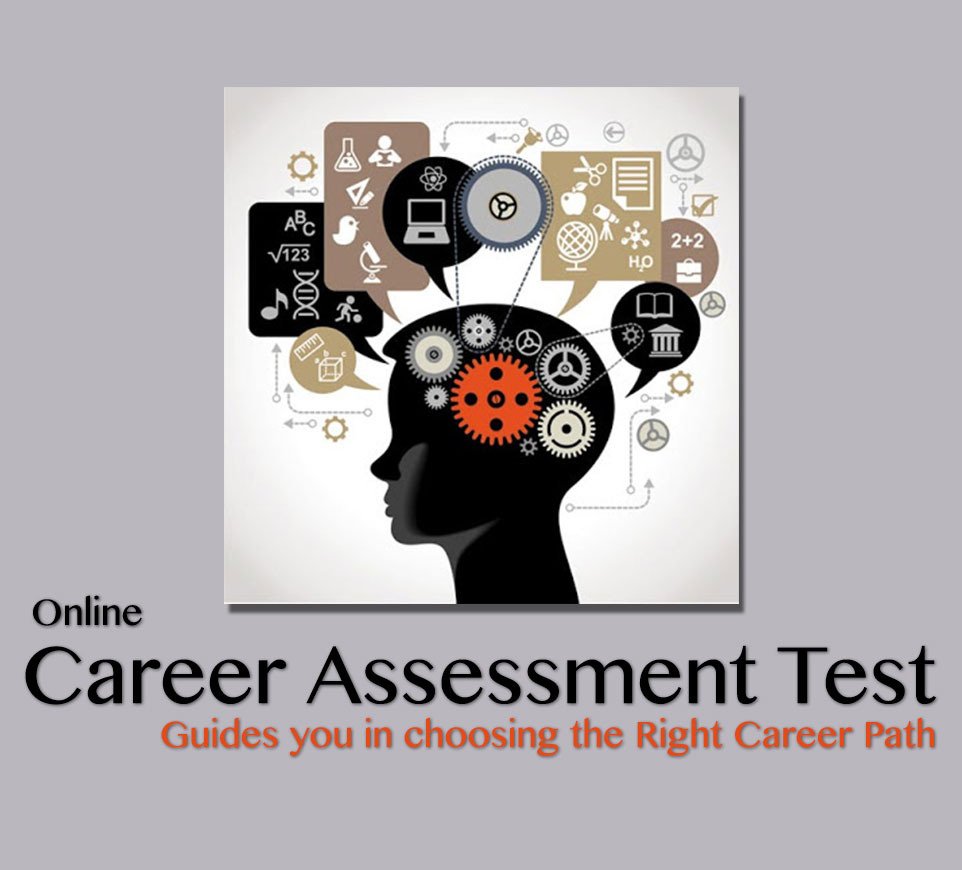
Career assessment refers to structured evaluation processes used to identify an individual’s suitability for specific careers based on psychological, behavioral, and skill based indicators.
Assessments measure interests, personality traits, cognitive abilities, and work preferences.
They provide data driven insights into career compatibility.
Understanding Career Counseling
Career counseling involves professional guidance provided by trained counselors or career coaches.
Counselors interpret assessment results, provide career recommendations, and design career development plans.
Counseling focuses on aligning personal attributes with industry opportunities.
Importance of Career Assessment & Counseling
Provides career clarity.
Reduces confusion and indecision.
Aligns education with career goals.
Enhances job satisfaction potential.
Supports long term career planning.
Professional guidance improves decision quality.
Who Needs Career Assessment & Counseling
Students choosing academic streams.
Graduates entering the workforce.
Working professionals seeking growth.
Career switchers planning transitions.
Individuals facing career dissatisfaction.
Career counseling benefits all career stages.
Types of Career Assessments
Career assessments fall into multiple categories.
Interest Assessments
Identify areas of passion and curiosity.
Aptitude Tests
Measure cognitive abilities and problem solving skills.
Personality Assessments
Evaluate behavioral traits and work styles.
Skill Assessments
Analyze technical and soft skill competencies.
Values Assessments
Determine workplace motivators and priorities.
Combined assessments provide holistic insights.
Interest Based Career Assessments
Interest tests identify preferred career fields.
They evaluate attraction toward activities such as analytical work, creativity, social engagement, or technical tasks.
Interest alignment enhances job satisfaction.
Aptitude & Ability Tests
Aptitude tests measure reasoning, numerical ability, verbal skills, and logical thinking.
They indicate suitability for technical or analytical careers.
Personality Career Assessments
Personality influences work preferences.
Some individuals thrive in leadership roles.
Others prefer research or creative environments.
Personality alignment improves performance.
Psychometric Testing
Psychometric assessments combine multiple evaluation parameters.
They provide comprehensive career suitability reports.
Widely used in education and corporate hiring.
Career Counseling Process
Career counseling follows structured stages.
Initial consultation and goal discussion.
Assessment testing.
Result analysis and interpretation.
Career recommendation planning.
Action roadmap development.
Follow up support.
Structured counseling ensures clarity.
Benefits of Career Counseling
Reduces career confusion.
Provides expert industry insights.
Builds career confidence.
Supports education planning.
Improves long term career satisfaction.
Counseling empowers informed choices.
Career Counseling for Students
Students gain clarity on streams and subjects.
Counselors recommend suitable academic pathways.
Early guidance prevents misaligned career choices.
Career Counseling for Graduates
Graduates explore specialization options.
Counselors suggest skill development pathways.
Support job readiness planning.
Career Counseling for Working Professionals
Professionals seek promotion guidance.
Explore leadership or specialization transitions.
Plan long term career roadmaps.
Career Counseling for Career Switchers
Switchers assess transferable skills.
Plan reskilling pathways.
Evaluate transition risks.
Online Career Counseling Services
Virtual counseling has expanded access.
Video sessions enable remote guidance.
Digital assessments provide instant reports.
Online counseling democratizes career support.
Role of Technology in Career Assessment
AI driven assessment tools analyze behavioral data.
Automated career recommendations enhance accuracy.
Technology enables scalable counseling services.
Choosing the Right Career Counselor
Check credentials and certifications.
Evaluate counseling experience.
Review testimonials.
Select industry knowledgeable advisors.
Quality counseling improves outcomes.
Limitations of Career Assessments
Tests provide guidance, not absolute answers.
Human interests evolve.
Market conditions change.
Assessments should be combined with practical exploration.
Balanced interpretation is essential.
Integrating Counseling With Career Planning
Combine counseling insights with career research.
Align recommendations with market demand.
Build actionable development plans.
Integration ensures strategic execution.
Career Assessment Tools & Platforms
Psychometric testing platforms.
Aptitude assessment providers.
Online career planning dashboards.
Digital tools enhance evaluation accuracy.
Measuring Effectiveness of Career Counseling
Clarity in career decisions.
Education alignment success.
Job satisfaction outcomes.
Long term career stability.
Effectiveness reflects decision confidence.
Overcoming Career Confusion Through Counseling
Structured guidance reduces overwhelm.
Professional insights simplify choices.
Counseling transforms uncertainty into direction.
Future Trends in Career Assessment & Counseling
AI powered career mapping.
Virtual reality job simulations.
Data driven aptitude analytics.
Personalized lifelong career coaching.
Future counseling will be tech enabled.
Cost & Accessibility of Career Counseling
Costs vary by counselor expertise and assessment tools.
Many institutions offer subsidized counseling.
Online platforms provide affordable options.
Accessibility continues to improve globally.
Career Counseling Ethics & Confidentiality
Professional counselors maintain confidentiality.
Ethical guidance ensures unbiased recommendations.
Trust is central to counseling relationships.
Building a Career Action Plan Post Counseling
Identify recommended career paths.
Plan education and certification steps.
Build skill development timelines.
Track progress regularly.
Action planning ensures implementation.
Lifelong Role of Career Counseling
Career counseling is not limited to early stages.
Professionals seek guidance during promotions, transitions, and leadership development.
Continuous counseling supports evolving careers.
Conclusion
Career assessment and counseling are powerful tools that enable individuals to make informed, confident, and strategic career decisions. By combining scientific evaluation methods with expert guidance, individuals gain clarity about their strengths, interests, and professional compatibility.
In a world filled with diverse career options and rapid industry changes, relying solely on assumptions or external pressure can lead to misaligned career choices. Structured assessment and counseling reduce uncertainty, enhance decision quality, and support long term professional fulfillment.
Whether you are starting your career journey, planning growth, or navigating transitions, career counseling provides the insight and direction needed to move forward with confidence. Investing in career assessment today can lead to more aligned, rewarding, and successful professional futures.