

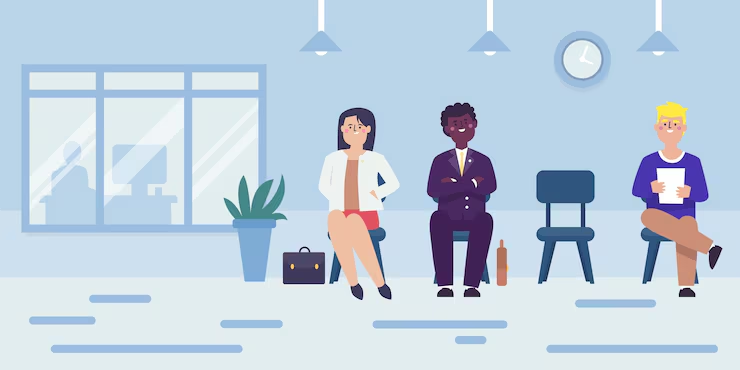
Introduction
Walk in interviews and job fairs remain powerful recruitment channels despite the rise of digital hiring platforms. While online applications dominate modern recruitment, face to face hiring events provide unique advantages — including instant interviews, direct recruiter interaction, and faster hiring decisions.
For job seekers, walk in drives and career fairs offer opportunities to meet employers personally, showcase communication skills, and bypass lengthy online screening processes. For employers, these events enable mass hiring, immediate candidate evaluation, and efficient talent acquisition.
Walk in interviews are especially common in industries such as customer service, sales, retail, BPO, hospitality, IT support, healthcare, and education. Job fairs, on the other hand, bring multiple employers together under one platform, offering candidates exposure to diverse career opportunities.
This comprehensive guide explores walk in interview preparation, job fair strategies, benefits, challenges, etiquette, and success techniques.
Understanding Walk In Interviews
Walk in interviews are recruitment drives where candidates can appear without prior appointments.
Employers announce interview dates, venues, and eligibility criteria.
Candidates attend physically with resumes and documents.
Hiring decisions may be made on the same day or shortly after.
Walk ins are designed for quick hiring.
Understanding Job Fairs
Job fairs are organized hiring events where multiple employers recruit candidates simultaneously.
They are conducted by colleges, corporations, government bodies, and recruitment agencies.
Candidates interact with recruiters, submit resumes, and attend on the spot interviews.
Job fairs provide mass networking and hiring opportunities.
Importance of Walk In Interviews & Job Fairs
Enable direct recruiter interaction.
Speed up hiring processes.
Provide multiple job opportunities in one place.
Enhance networking exposure.
Reduce application waiting times.
Face to face hiring builds personal impressions.
Industries That Frequently Conduct Walk Ins
Business Process Outsourcing (BPO).
Customer service.
Retail and sales.
Hospitality and tourism.
Healthcare services.
IT support and technical helpdesk.
Education and training institutes.
These sectors require rapid workforce hiring.
Benefits of Walk In Interviews for Job Seekers
Immediate interview opportunities.
Faster hiring decisions.
No online screening delays.
Direct communication with HR managers.
Opportunity to showcase personality.
Walk ins favor confident communicators.
Benefits of Job Fairs for Candidates
Meet multiple employers in one venue.
Explore diverse industries.
Compare job offers.
Build professional networks.
Gain market insights.
Career fairs expand exposure.
Preparing for Walk In Interviews
Preparation is critical for success.
Research the hiring company.
Understand job roles offered.
Prepare resumes and documents.
Dress professionally.
Practice interview questions.
Preparation builds confidence.
Documents Required for Walk In Interviews
Multiple resume copies.
Educational certificates.
Identity proof.
Passport size photographs.
Experience letters (if applicable).
Proper documentation ensures smooth processing.
Dress Code & Professional Appearance
Formal attire creates strong first impressions.
Maintain grooming and hygiene.
Avoid casual clothing.
Professional appearance reflects seriousness.
Communication Skills During Walk Ins
Speak confidently and clearly.
Maintain eye contact.
Answer questions concisely.
Positive body language enhances perception.
Walk In Interview Process
Registration and document submission.
Resume screening.
Initial HR interview.
Technical or role specific interview.
Final selection or offer discussion.
Process may vary by employer.
Tips to Succeed in Walk In Interviews
Arrive early.
Carry organized documents.
Show enthusiasm.
Ask relevant questions.
Follow up after interviews.
Proactive behavior improves outcomes.
Understanding Job Fair Structure
Employer booths or stalls.
Resume submission desks.
On the spot screening areas.
Interview cabins.
Networking lounges.
Structured setups support mass hiring.
Preparing for Job Fairs
Research participating companies.
Prepare elevator pitch.
Print multiple resumes.
Plan booth visit priorities.
Preparation maximizes opportunity utilization.
Networking at Job Fairs
Introduce yourself professionally.
Collect recruiter contact details.
Connect on professional platforms later.
Networking extends hiring possibilities.
Asking the Right Questions
Inquire about job roles.
Understand growth opportunities.
Ask about training and benefits.
Questions demonstrate interest.
Following Up After Job Fairs
Send thank you emails.
Connect with recruiters online.
Track application progress.
Follow ups reinforce impressions.
Advantages for Employers
Mass candidate interaction.
Quick shortlisting.
Reduced hiring costs.
Brand visibility enhancement.
Job fairs support large scale recruitment.
Challenges of Walk In Interviews
High candidate competition.
Long waiting times.
Limited interview duration.
Preparation reduces disadvantages.
Challenges of Job Fairs
Overcrowded venues.
Limited recruiter interaction time.
Need for strong first impressions.
Strategic planning overcomes challenges.
Walk Ins vs Online Interviews
Walk ins enable personal interaction.
Online interviews offer convenience.
Both methods serve different hiring needs.
Hybrid recruitment is rising.
Virtual Job Fairs
Digital job fairs are emerging.
Candidates attend via online platforms.
Virtual booths and interviews simulate physical events.
Technology expands hiring accessibility.
Walk In Interviews for Freshers
Fresh graduates benefit from mass hiring drives.
Focus on communication and attitude.
Entry level roles dominate walk ins.
Walk In Interviews for Experienced Professionals
Experienced candidates target specialized drives.
Highlight industry expertise.
Negotiate roles and compensation.
Role of Recruitment Agencies in Job Fairs
Agencies organize hiring events.
Coordinate employer participation.
Screen candidates in advance.
They streamline event recruitment.
Safety & Verification Tips
Verify event authenticity.
Check official employer announcements.
Avoid fraudulent hiring drives.
Safety awareness protects candidates.
Future Trends in Walk In Hiring
Hybrid hiring events will rise.
AI pre screening may integrate with walk ins.
Virtual career fairs will expand globally.
Technology will enhance event recruitment.
Building a Walk In & Job Fair Strategy
Track hiring event announcements.
Prepare resumes and documents.
Practice interview communication.
Follow up with recruiters.
Strategic participation improves hiring success.
Conclusion
Walk in interviews and job fairs remain valuable hiring channels in the modern recruitment ecosystem. They provide candidates with immediate opportunities to interact with employers, demonstrate communication skills, and secure faster hiring decisions.
By preparing thoroughly, dressing professionally, communicating confidently, and networking strategically, job seekers can maximize success in face to face hiring environments. Employers also benefit from efficient mass hiring and enhanced employer branding through these events.
As recruitment continues evolving, hybrid and virtual career fairs will complement traditional walk ins. However, the power of personal interaction in hiring will always remain relevant. Leveraging these opportunities effectively can accelerate job search success and open doors to rewarding career pathways.