

Introduction
The recruitment process is one of the most critical functions within any organization. It determines the quality of talent entering the company and directly impacts productivity, workplace culture, innovation, and long term business success. Hiring the right employees ensures organizational growth, while poor recruitment decisions can lead to financial loss, reduced efficiency, and high turnover rates.
In today’s competitive and technology driven job market, recruitment has evolved far beyond traditional hiring methods. Modern recruitment integrates digital platforms, artificial intelligence, applicant tracking systems, employer branding, and structured evaluation techniques to identify the most suitable candidates.
Understanding the recruitment process is valuable not only for HR professionals and recruiters but also for job seekers who want to navigate hiring systems effectively.
This comprehensive recruitment process guide explores every stage of hiring — from workforce planning and job posting to interviews, selection, onboarding, and future recruitment trends.
Understanding the Recruitment Process
Recruitment is the structured process of identifying, attracting, evaluating, selecting, and hiring suitable candidates for job roles within an organization.
It ensures that the right talent is placed in the right position at the right time.
Recruitment combines strategy, technology, and human judgment.
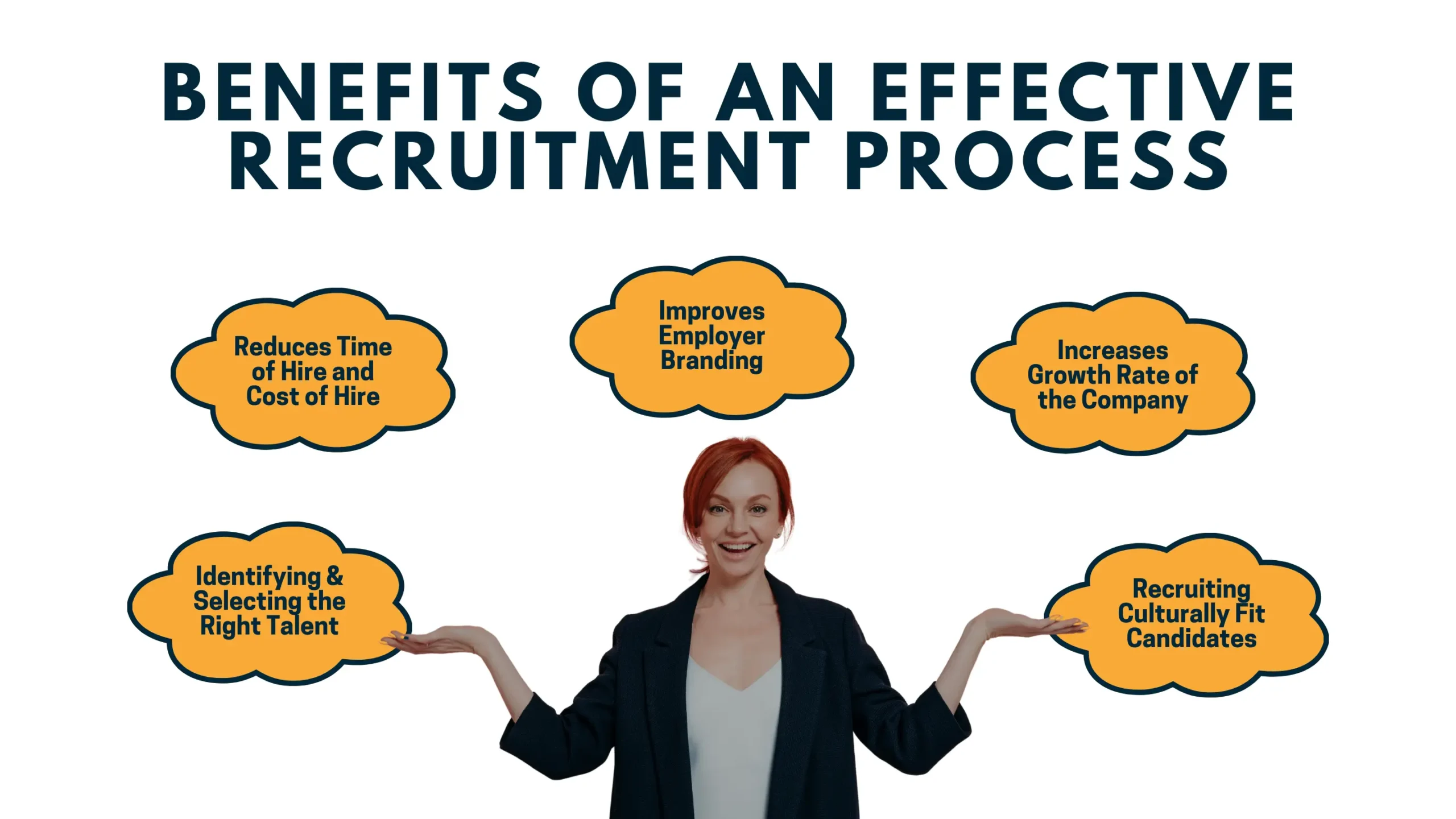
Importance of an Effective Recruitment Process
Ensures hiring of qualified candidates.
Reduces employee turnover.
Enhances organizational productivity.
Strengthens company culture.
Saves long term hiring costs.
Effective recruitment drives business success.
Types of Recruitment
Organizations adopt different recruitment approaches.
Internal Recruitment
Hiring from within the organization through promotions or transfers.
External Recruitment
Hiring candidates from outside the company.
Campus Recruitment
Hiring fresh graduates from educational institutions.
Contract & Temporary Hiring
Short term workforce recruitment.
Remote & Global Recruitment
Hiring talent across geographical boundaries.
Each method serves different business needs.
Step 1: Workforce Planning
Recruitment begins with workforce planning.
Organizations assess staffing needs.
Identify skill shortages.
Forecast future hiring requirements.
Strategic planning ensures efficient hiring.
Step 2: Job Analysis & Role Definition
Job analysis defines role responsibilities.
Identify required skills and qualifications.
Determine experience levels.
Clarify reporting structures.
Clear job definitions attract suitable candidates.
Step 3: Creating Job Descriptions
Job descriptions outline role expectations.
Include responsibilities, qualifications, and salary ranges.
Well written descriptions improve application relevance.
Step 4: Choosing Recruitment Channels
Organizations select hiring platforms.
Job portals.
Company career pages.
Recruitment agencies.
Employee referrals.
Social media platforms.
Multi channel recruitment expands talent reach.
Step 5: Job Posting & Talent Attraction
Recruiters publish job advertisements.
Employer branding influences candidate interest.
Clear messaging attracts qualified applicants.
Step 6: Resume Collection & Application Management
Applications are collected through portals and ATS systems.
Recruiters manage candidate databases.
Application tracking ensures organization.
Step 7: Resume Screening & Shortlisting
Recruiters evaluate resumes.
Assess qualifications, skills, and experience.
Shortlist candidates meeting job criteria.
Screening filters high potential applicants.
Step 8: Applicant Tracking Systems (ATS)
ATS software automates resume screening.
Matches keywords with job requirements.
Streamlines candidate management.
Technology accelerates recruitment efficiency.
Step 9: Initial HR Screening
HR teams conduct preliminary interviews.
Evaluate communication skills.
Assess cultural fit.
Confirm salary expectations and availability.
Initial screening narrows candidate pools.
Step 10: Technical & Skill Assessments
Candidates undergo job specific evaluations.
Coding tests, case studies, or practical assignments.
Skill testing validates competency.
Step 11: Interview Process
Interviews assess suitability comprehensively.
Telephonic Interviews
Quick preliminary assessments.
Video Interviews
Common in remote hiring.
Face to Face Interviews
In depth evaluation discussions.
Panel Interviews
Multiple evaluators assess candidates.
Technical Interviews
Role specific expertise testing.
Structured interviews ensure fair evaluation.
Step 12: Behavioral & Cultural Fit Evaluation
Employers assess personality alignment.
Evaluate teamwork, adaptability, and attitude.
Cultural fit supports long term retention.
Step 13: Background Verification
Organizations verify candidate credentials.
Employment history checks.
Educational verification.
Reference checks.
Background screening ensures hiring authenticity.
Step 14: Final Selection Decision
Hiring managers evaluate all assessments.
Compare shortlisted candidates.
Select the most suitable applicant.
Decision making combines data and judgment.
Step 15: Job Offer & Compensation Negotiation
Offer letters outline salary and benefits.
Candidates negotiate compensation packages.
Mutual agreement finalizes hiring.
Step 16: Pre Employment Documentation
Selected candidates submit required documents.
Identity proofs.
Educational certificates.
Employment records.
Documentation completes compliance requirements.
Step 17: Onboarding Process
Onboarding integrates new hires into the organization.
Includes orientation programs.
Policy training.
Team introductions.
System access setup.
Effective onboarding improves retention.
Step 18: Training & Probation Period
New employees undergo training.
Learn organizational systems and workflows.
Probation periods evaluate performance.
Training ensures productivity readiness.
Role of HR in Recruitment
HR professionals manage hiring workflows.
Coordinate interviews.
Ensure compliance.
Facilitate onboarding.
HR drives recruitment success.
Recruitment Metrics & KPIs
Time to hire.
Cost per hire.
Quality of hire.
Offer acceptance rate.
Employee retention rate.
Metrics measure recruitment effectiveness.
Challenges in Recruitment
Talent shortages.
High competition for skilled candidates.
Hiring bias risks.
Long recruitment cycles.
Technology adaptation barriers.
Strategic planning mitigates challenges.
Employer Branding in Recruitment
Strong employer brands attract talent.
Positive workplace reputation improves hiring success.
Branding reduces recruitment costs.
Diversity & Inclusive Hiring
Organizations prioritize inclusive recruitment.
Diverse teams enhance innovation.
Inclusive hiring strengthens culture.
Technology Trends in Recruitment
AI resume screening.
Automated interview scheduling.
Virtual hiring platforms.
Predictive hiring analytics.
Technology transforms recruitment efficiency.
Remote Recruitment Evolution
Virtual hiring processes are rising.
Video interviews replace in person meetings.
Global hiring expands talent pools.
Recruitment Process Outsourcing (RPO)
Organizations outsource hiring to specialized agencies.
RPO improves scalability and efficiency.
Campus Recruitment Strategies
Companies hire fresh graduates through campus drives.
Internship pipelines support hiring.
Campus recruitment builds future talent pools.
Recruitment Ethics & Compliance
Fair hiring practices are essential.
Avoid discrimination.
Ensure transparency.
Ethical recruitment builds trust.
Future Trends in Recruitment
Skill based hiring will dominate.
Portfolio driven hiring will increase.
AI driven candidate matching will grow.
Gig workforce hiring will expand.
Future recruitment will be technology integrated.
Recruitment Process for Job Seekers
Understanding recruitment stages helps candidates prepare.
Optimize resumes for ATS.
Prepare for multi stage interviews.
Understand employer expectations.
Process awareness improves hiring success.
Conclusion
The recruitment process is a structured, multi stage journey designed to identify and hire the most suitable talent for organizational success. From workforce planning and job posting to interviews, selection, and onboarding, each stage plays a vital role in ensuring hiring quality and long term employee performance.
As recruitment continues to evolve through digital transformation, artificial intelligence, and remote hiring systems, both employers and job seekers must adapt to new processes and expectations. Organizations that implement strategic, fair, and technology driven recruitment frameworks gain competitive advantage through strong talent acquisition.
For candidates, understanding recruitment workflows enhances preparation, improves interview performance, and increases hiring success. Ultimately, effective recruitment is not just about filling positions — it is about building teams that drive innovation, productivity, and sustainable organizational growth.