

Introduction
Career goal setting is one of the most powerful practices for achieving long term professional success and personal fulfillment. In an increasingly competitive and rapidly evolving job market, individuals who set clear, structured career goals are more likely to experience growth, stability, and satisfaction in their professional lives.
Without defined goals, careers often progress randomly — shaped by circumstances rather than intention. Goal setting provides direction, clarity, and measurable milestones that guide decision making, skill development, and career planning. It transforms vague ambitions into actionable plans that professionals can pursue systematically.
Whether you are a student planning your first job, a working professional seeking promotion, or an entrepreneur designing a long term vision, career goal setting provides the structure needed to navigate your professional journey successfully.
This comprehensive guide explores the importance of career goals, types of goals, goal setting frameworks, planning strategies, challenges, and future career planning trends.
Understanding Career Goals
Career goals are specific professional objectives individuals aim to achieve within defined timeframes.
They may relate to job roles, salary levels, leadership positions, skill development, entrepreneurship, or industry specialization.
Career goals provide clarity on where you want to go and what you want to achieve professionally.
Importance of Career Goal Setting
Provides career direction and focus.
Enhances motivation and productivity.
Supports strategic decision making.
Improves time and resource management.
Increases chances of career advancement.
Goal clarity leads to purposeful career growth.
Types of Career Goals
Career goals vary based on timelines and aspirations.
Short Term Career Goals
Short term goals are achievable within one to two years.
Examples include learning new skills, earning certifications, securing internships, or landing entry level jobs.
Short term goals build foundational momentum.
Medium Term Career Goals
Medium term goals span three to five years.
Examples include promotions, salary increases, role transitions, or managerial responsibilities.
They reflect career progression stages.
Long Term Career Goals
Long term goals extend beyond five years.
Examples include executive leadership roles, entrepreneurship, or industry expertise.
Long term goals shape overall career vision.
Balanced planning includes all three.
Self Assessment Before Setting Goals
Effective career goal setting begins with self understanding.
Assess strengths and weaknesses.
Identify interests and passions.
Evaluate values and lifestyle preferences.
Self awareness ensures meaningful goal alignment.
Identifying Skills and Competencies
Analyze current skill sets.
Determine strengths and improvement areas.
Identify skills required for desired roles.
Skill clarity supports realistic goal setting.
Aligning Goals With Market Demand
Research industry trends.
Identify high demand roles.
Understand salary benchmarks.
Market aligned goals enhance employability.
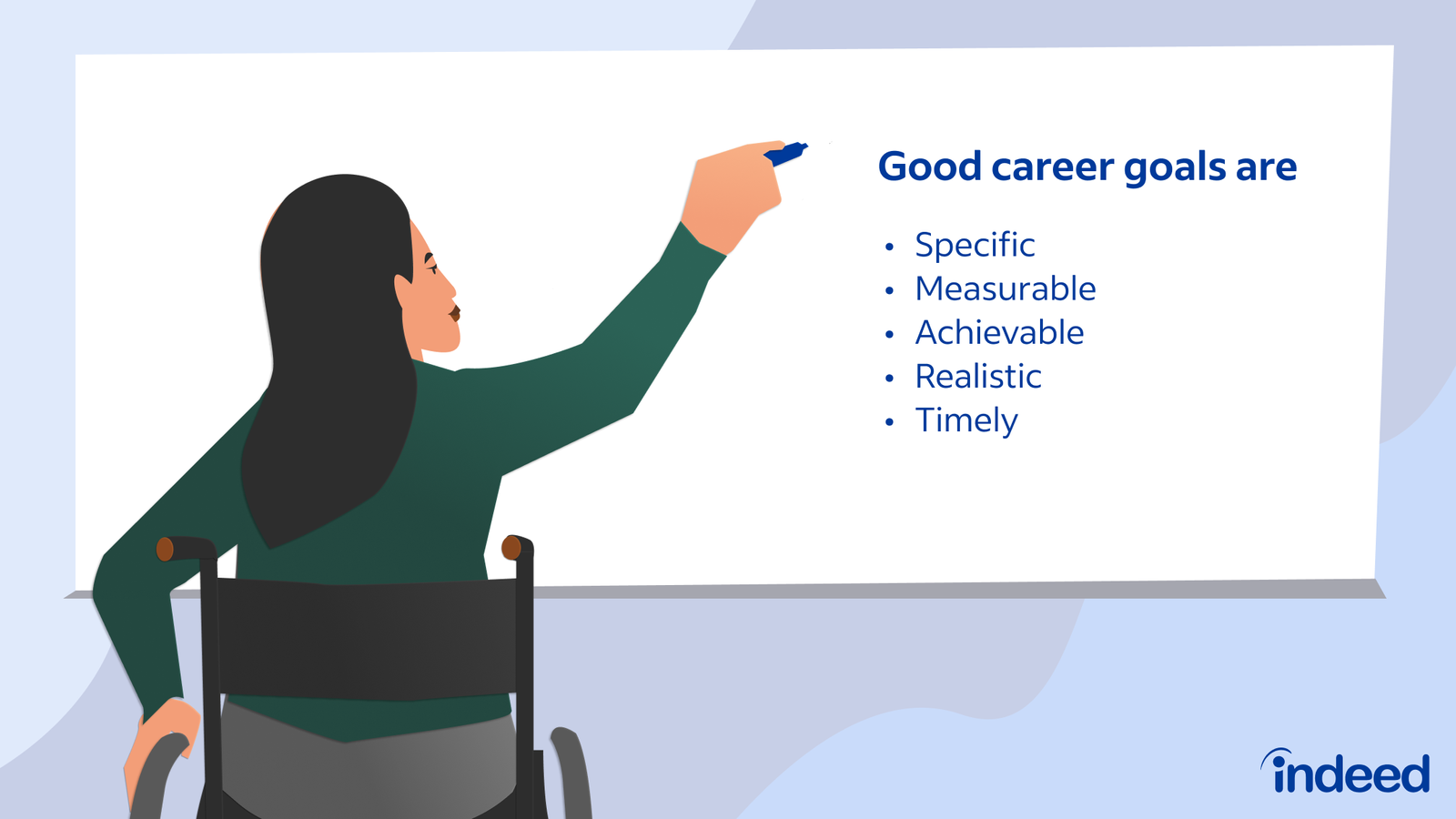
Setting SMART Career Goals
SMART framework ensures effective goal setting.
Specific – Clearly defined objective.
Measurable – Trackable progress indicators.
Achievable – Realistic within resources.
Relevant – Aligned with career vision.
Time Bound – Defined deadlines.
SMART goals improve execution success.
Creating a Career Vision Statement
A vision statement defines your desired professional future.
It reflects long term aspirations and purpose.
Vision statements guide goal prioritization.
Building a Career Goal Roadmap
Break long term goals into smaller milestones.
Define education, skills, and experience requirements.
Create actionable timelines.
Roadmaps transform vision into execution.
Education and Certification Goals
Plan academic qualifications strategically.
Identify certifications supporting career growth.
Continuous education supports advancement.
Skill Development Goals
Set targets for technical and soft skills.
Plan learning schedules.
Track competency improvements.
Skill goals drive employability.
Experience Based Goals
Gain internships, projects, or job exposure.
Practical experience validates knowledge.
Experience goals strengthen career readiness.
Networking Goals
Build professional relationships.
Connect with mentors and industry leaders.
Networking supports opportunity access.
Financial Career Goals
Set income targets.
Plan salary progression milestones.
Financial goals influence career decisions.
Leadership & Promotion Goals
Plan transition into leadership roles.
Develop management competencies.
Leadership goals support long term advancement.
Entrepreneurship Goals
Some professionals aim for business ownership.
Set startup planning milestones.
Acquire business management skills.
Entrepreneurial goals require structured planning.
Tracking Career Goal Progress
Review goals regularly.
Measure achievements against timelines.
Adjust strategies based on outcomes.
Continuous evaluation ensures alignment.
Overcoming Goal Setting Challenges
Common challenges include fear, confusion, and lack of clarity.
Break goals into smaller tasks.
Seek mentorship guidance.
Stay adaptable.
Dealing With Career Uncertainty
Career paths may change.
Adapt goals based on industry shifts.
Flexibility strengthens long term success.
Work Life Balance in Career Goals
Career success should align with personal well being.
Set lifestyle compatible goals.
Balance ambition with health and relationships.
Technology’s Impact on Career Goals
Automation changes job roles.
Digital skills are essential.
Technology awareness shapes goal relevance.
Future Trends in Career Goal Setting
Portfolio driven careers will grow.
Skill based hiring will dominate.
Multiple career transitions will become common.
Lifelong learning will shape career goals.
Building Accountability Systems
Share goals with mentors.
Track progress publicly or privately.
Accountability increases goal achievement rates.
Motivation & Mindset in Goal Achievement
Positive mindset sustains motivation.
Celebrate small wins.
Learn from failures.
Resilience drives long term success.
Tools for Career Goal Setting
Goal tracking apps.
Career planning journals.
Mentorship programs.
Professional development workshops.
Tools support structured execution.
Career Goal Setting for Students
Focus on education and skill building.
Explore internships.
Develop communication skills early.
Career Goal Setting for Professionals
Plan promotions and salary growth.
Upgrade skills regularly.
Prepare for industry changes.
Career Goal Setting for Career Switchers
Identify transferable skills.
Set reskilling timelines.
Plan gradual transitions.
Common Career Goal Mistakes to Avoid
Setting unrealistic goals.
Ignoring market trends.
Lack of timelines.
Failure to track progress.
Avoiding mistakes improves success rates.
Building a Lifelong Goal Setting Habit
Goal setting should be continuous.
Review and update goals regularly.
Adapt to life and career changes.
Conclusion
Career goal setting is a powerful practice that transforms professional aspirations into structured, achievable outcomes. By defining clear objectives, aligning them with personal strengths and market realities, and building actionable roadmaps, individuals gain control over their career direction.
In a world defined by rapid change and evolving opportunities, professionals who set goals proactively, track progress consistently, and adapt strategies strategically are better positioned for success. Career goals provide clarity, motivation, and resilience, enabling individuals to navigate challenges and seize opportunities confidently.
Your career is shaped not by chance but by choices and actions. Set meaningful goals, pursue them with discipline, and refine them as you grow. With strategic career goal setting, you can build a purposeful, fulfilling, and future ready professional journey.