
Introduction
Building a successful career is one of the most important journeys in a person’s life. It determines financial stability, personal fulfillment, lifestyle, and long term growth opportunities. However, career success rarely happens by accident. It requires the right guidance, informed decisions, continuous skill development, and strategic planning.
In today’s fast changing professional world, traditional career paths are evolving rapidly. Technology, automation, globalization, and digital transformation are reshaping industries and redefining job roles. As a result, professionals must stay proactive, adaptable, and well informed to navigate their career journeys successfully.
Career tips and guidance provide direction, clarity, and actionable strategies that help individuals avoid common mistakes and accelerate growth. Whether you are a student, fresher, working professional, or career switcher, the right career guidance can significantly impact your future.
This comprehensive guide explores practical career tips, growth strategies, workplace success habits, skill development advice, and long term career planning insights.
Understanding Career Guidance
Career guidance refers to structured advice, mentorship, and strategic direction provided to individuals to help them choose, grow, and succeed in their professional paths.
It includes self assessment, career exploration, education planning, job search strategies, workplace performance improvement, and leadership development.
Career guidance ensures individuals make informed decisions aligned with their strengths, interests, and market opportunities.
Importance of Career Tips and Guidance
Career guidance provides clarity in decision making. Many individuals struggle with choosing the right career path due to lack of awareness or exposure.
It helps identify strengths and weaknesses, enabling better career alignment.
Guidance reduces career risks by preventing wrong job choices or industry mismatches.
It also accelerates professional growth by highlighting skill gaps and development opportunities.
Most importantly, career guidance increases confidence and motivation by providing structured direction.
Self Assessment: The First Career Step
Understanding yourself is the foundation of career success.
Evaluate your interests, strengths, personality traits, and values. Identify what motivates you and what type of work environment suits you best.
Personality tests, aptitude assessments, and SWOT analysis can provide deeper insights.
Choosing a career aligned with personal strengths increases satisfaction and performance.
Setting Clear Career Goals
Goal setting transforms career dreams into actionable plans.
Short term goals may include completing certifications, internships, or entry level jobs.
Mid term goals involve promotions, salary growth, or specialization.
Long term goals focus on leadership roles, entrepreneurship, or industry recognition.
Using structured frameworks such as specific and measurable goal setting improves accountability and progress tracking.
Choosing the Right Career Path
Selecting the right career requires research and strategic thinking.
Analyze industry demand, salary potential, growth opportunities, and job stability.
Evaluate whether the career aligns with your lifestyle preferences and long term aspirations.
Seek mentorship, attend career seminars, and conduct informational interviews before making decisions.
Importance of Skill Development
Skills are the currency of modern careers.
Technical skills ensure job competency, while soft skills drive promotions and leadership growth.
Focus on communication, teamwork, leadership, digital literacy, and problem solving abilities.
Continuous learning keeps professionals competitive in evolving industries.
Education and Certifications
Formal education builds foundational knowledge, but certifications enhance employability.
Professional courses provide practical exposure and industry relevant training.
Combining academic degrees with specialized certifications creates strong career profiles.
Building a Strong Resume
Your resume is your professional marketing tool.
Highlight achievements, quantify results, and tailor content to job descriptions.
Use clear formatting, action verbs, and relevant keywords.
Keep resumes concise while showcasing maximum value.
Regularly update resumes with new skills and accomplishments.
Mastering Interview Skills
Interview performance significantly impacts career opportunities.
Prepare answers to common questions, research companies, and practice communication skills.
Use structured storytelling methods to explain experiences effectively.
Confidence, clarity, and professionalism are key to interview success.
Networking for Career Growth
Networking opens doors to hidden opportunities.
Build relationships with industry professionals, alumni, mentors, and recruiters.
Attend conferences, webinars, and networking events.
Engage on professional platforms by sharing insights and achievements.
Strong networks accelerate career advancement.
Personal Branding
Personal branding defines how professionals are perceived in their industries.
Maintain optimized professional profiles, share thought leadership content, and showcase achievements publicly.
A strong personal brand attracts recruiters and business opportunities organically.
Workplace Success Tips
Career growth depends heavily on workplace performance.
Be punctual, reliable, and accountable.
Take initiative beyond assigned responsibilities.
Maintain positive relationships with colleagues and managers.
Seek feedback and continuously improve performance.
Consistency builds professional reputation.
Time Management and Productivity
Efficient time management enhances performance and reduces stress.
Prioritize tasks based on impact and urgency.
Avoid procrastination and multitasking overload.
Use productivity tools to track progress and deadlines.
Balanced schedules improve work quality and career growth.
Communication Skills
Strong communication is essential in every profession.
Clear verbal expression improves teamwork and leadership potential.
Professional writing skills enhance business communication.
Active listening strengthens workplace relationships.
Communication excellence differentiates high performers.
Leadership Development
Leadership skills are essential for long term career growth.
Develop decision making, conflict resolution, and team motivation abilities.
Volunteer for leadership roles in projects or teams.
Leadership readiness accelerates promotions.
Adaptability in Changing Industries
Industries evolve rapidly due to technology and market shifts.
Professionals must stay adaptable by learning new tools, processes, and methodologies.
Resistance to change can lead to career stagnation.
Adaptability ensures long term employability.
Career Growth Strategies
Set performance benchmarks regularly.
Pursue advanced certifications.
Seek mentorship and coaching.
Request challenging assignments.
Track achievements and promotions.
Strategic growth planning accelerates success.
Work Life Balance Guidance
Career success must align with personal well being.
Avoid burnout by setting work boundaries.
Maintain physical health, hobbies, and family time.
Balanced professionals sustain long term productivity and happiness.
Career Guidance for Students
Students should explore careers early.
Participate in internships, workshops, and skill training programs.
Seek academic mentors and career counselors.
Early planning provides competitive advantages.
Tips for Fresh Graduates
Freshers should focus on learning opportunities rather than salary alone.
Build practical skills through internships and freelance work.
Create strong portfolios and professional networks.
Entry level roles shape long term career direction.
Mid Career Guidance
Mid career professionals must reassess goals periodically.
Upskill to remain competitive.
Pursue leadership training.
Consider specialization or career transitions if growth stagnates.
Career Change Tips
Switching careers requires strategic planning.
Identify transferable skills.
Pursue relevant certifications.
Gain freelance or project experience.
Build networks in the new industry.
Clear transition narratives improve hiring success.
Dealing with Career Challenges
Professionals often face job dissatisfaction, layoffs, skill gaps, or stagnation.
Address challenges through learning, mentorship, and proactive planning.
Viewing challenges as growth opportunities strengthens resilience.
Financial Planning for Career Growth
Financial stability supports career decisions.
Maintain emergency funds before switching jobs.
Invest in education and certifications.
Evaluate compensation structures carefully.
Financial planning reduces career risks.
Importance of Mentorship
Mentors provide industry insights, feedback, and career direction.
They help avoid mistakes and accelerate learning.
Mentorship enhances confidence and strategic thinking.
Remote Work Career Tips
Remote careers require self discipline, digital communication skills, and time management.
Create dedicated workspaces.
Maintain productivity routines.
Engage actively in virtual collaboration.
Remote professionalism ensures career growth.
Future Career Trends
Automation will reshape job markets.
AI and data driven roles will grow.
Remote work will expand globally.
Skill based hiring will dominate recruitment.
Continuous learning will become mandatory.
Staying informed about trends ensures career longevity.
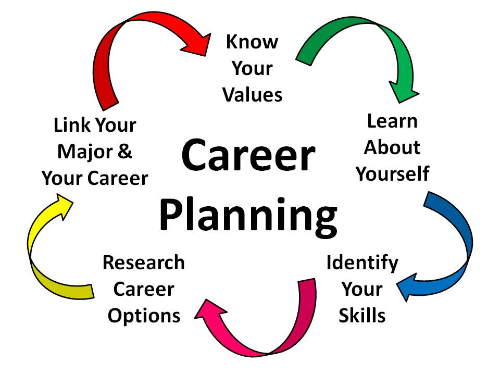
Building a Personal Career Development Plan
Assess strengths and interests.
Define career goals.
Identify skill gaps.
Plan education and certifications.
Build networks.
Track progress regularly.
Structured planning drives measurable growth.
Measuring Career Success
Career success is not limited to salary.
Indicators include job satisfaction, promotions, leadership roles, work life balance, and personal fulfillment.
Holistic success combines financial and emotional well being.
Long Term Career Sustainability
Sustainable careers require adaptability, continuous learning, and proactive planning.
Professionals must reinvent themselves as industries evolve.
Lifelong learning ensures relevance.
Conclusion
Career tips and guidance act as a roadmap for professional success. In an increasingly competitive and technology driven world, individuals must navigate careers strategically rather than relying on chance.
From self assessment and skill development to networking and leadership readiness, every aspect of career planning contributes to long term growth. Students, freshers, professionals, and entrepreneurs all benefit from structured career guidance.
Success is not defined by a single job but by continuous growth, fulfillment, and adaptability. Professionals who invest in learning, build strong networks, and stay aligned with industry trends create resilient and rewarding careers.
Your career is a lifelong journey. With the right guidance, consistent effort, and strategic decisions, you can achieve sustainable success, financial stability, and personal fulfillment in the evolving world of work.